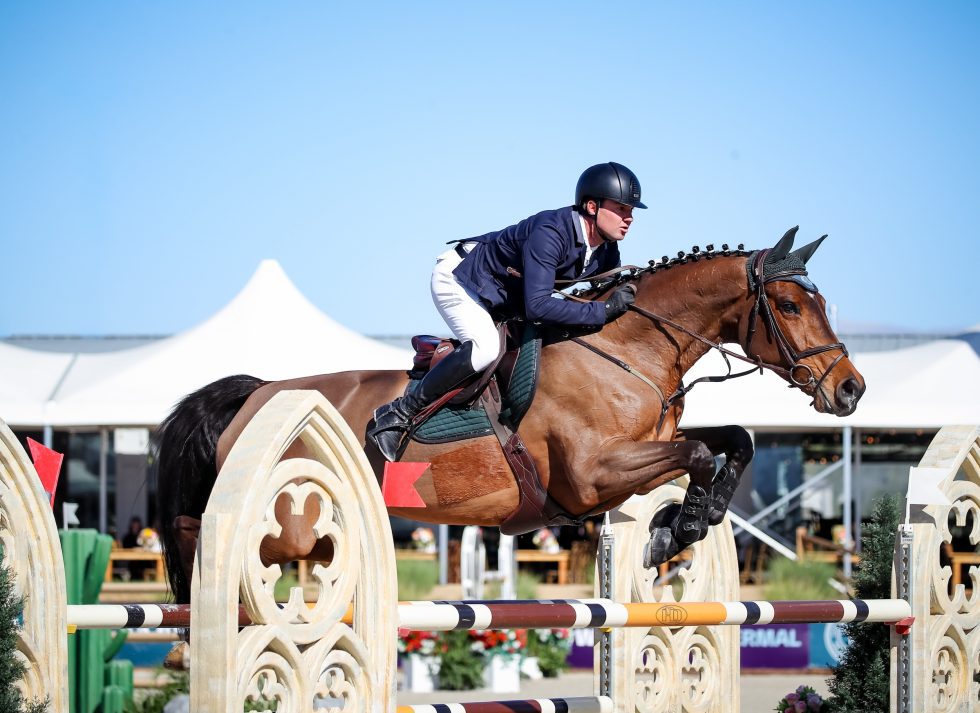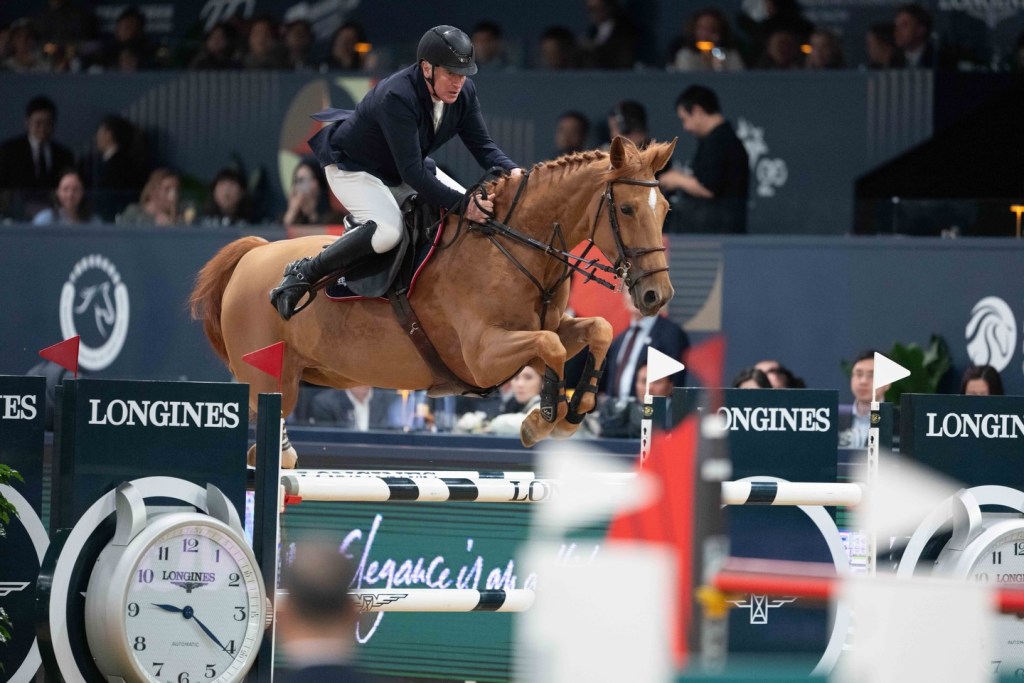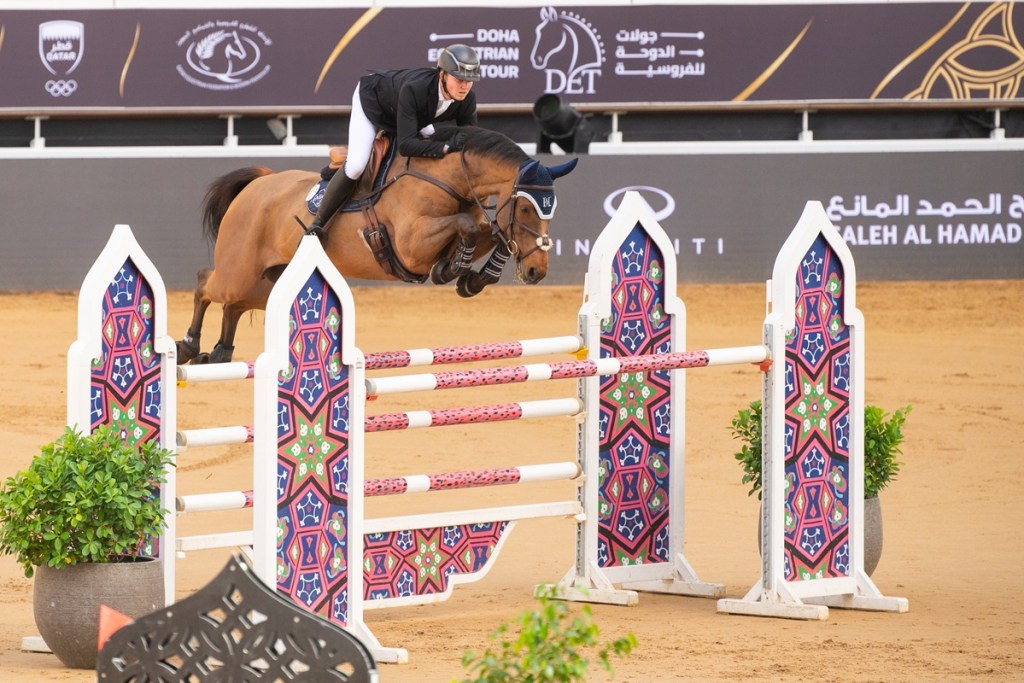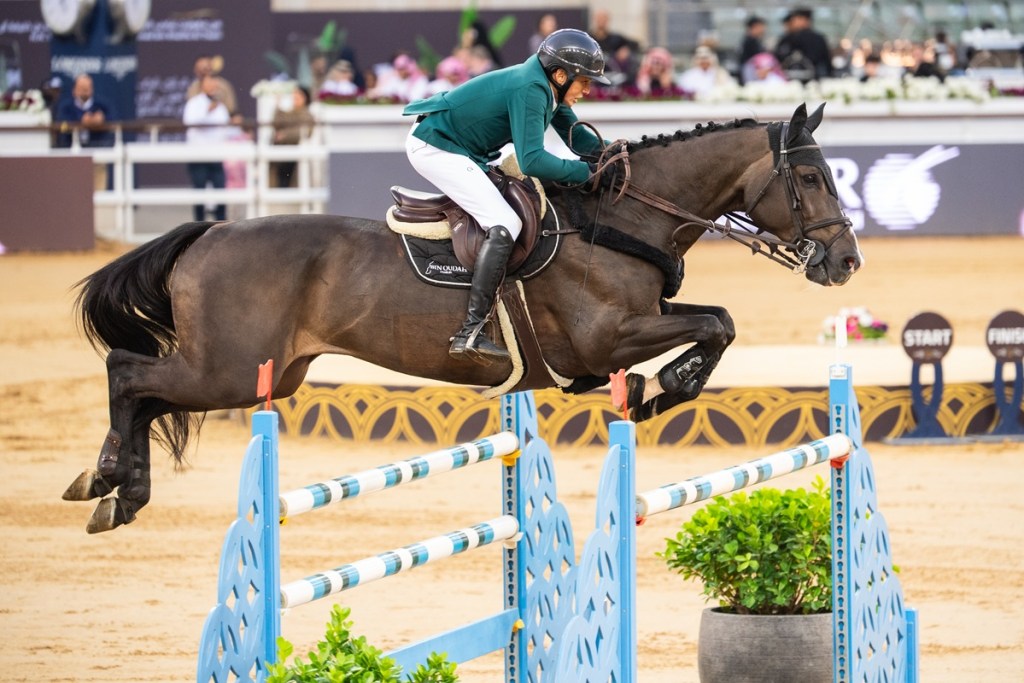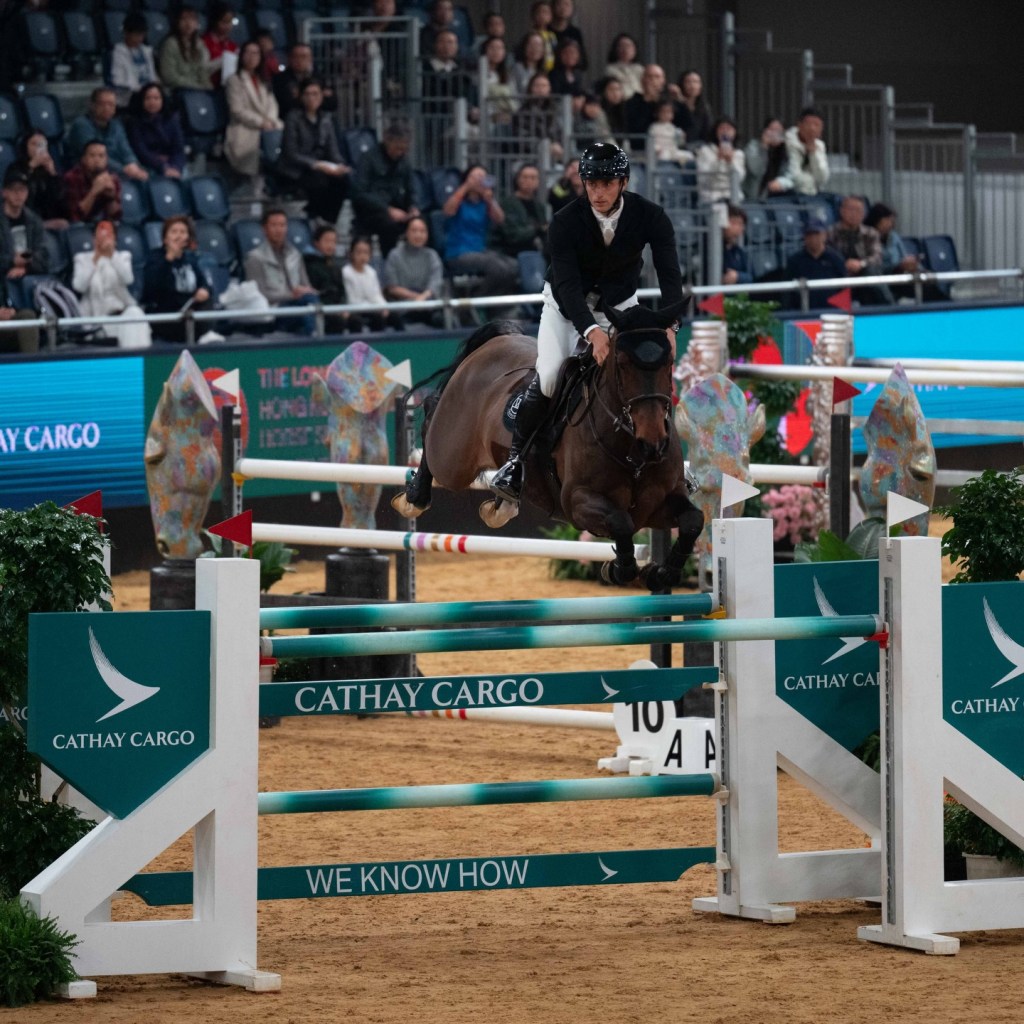



The newest addition to the 2025/2026 Major League Show Jumping event calendar is the Kentucky International CSI5* presented by Hagyard Equine Medical Institute. Photo courtesy of EEI.
One Big Thing: 15 decades of Hagyard Equine Medical Institute brings new Equine Veterinary Scholarship Initiative
Chances are, if you’ve competed or lived in Kentucky, you’ve taken a trip or two to Hagyard Equine Medical Institute across from the Kentucky Horse Park — not only one of the top equine veterinary centers in the country, but also the oldest and largest private equine veterinary practice in the world. This week, Hagyard Equine celebrates its 150th Anniversary with their very own Founder’s Week, which will kick off a year-long series of festivities and events honoring the Lexington practice’s unprecedented 15-decade contribution to veterinary care.
This anniversary year will also be marked by variety of activities, including the unveiling of a “150th” monument on Hagyard campus this Thursday, February 5th, a renovation of its facility in Lexington, and continued investment in state-of-the-art diagnostic equipment, to name a few.
The Hagyard family and Hagyard veterinarians have been at the forefront of a number of veterinary medical innovations, including the advent of the use of penicillin and antibiotics in horses, developing parasite control programs to keep foals from dying at alarming rates, the use of inhalation anesthesia, fetal sexing, and the first equine C-section. Hagyard has also been involved in a majority of commercial equine vaccines used to prevent tetanus, botulism, herpes, viruses, abortions, influenza, and more.
One of the biggest initiatives for the year, however, is the establishment of a non-profit educational endowment designed to provide scholarships to aspiring equine veterinarians. Hagyard has set a bold goal in partnership with the AAEP’s Foundation for the Horse to raise $1.5 million dollars to help provide annual scholarships in perpetuity.
“For a variety of reasons — not the least of which is a significant amount of student loan debt upon graduation — we are seeing the supply of equine veterinarians falling short of the demand,” stated Dr. Luke Hagyard Fallon, a fifth-generation practitioner from the Hagyard founder’s family. “While we certainly want to spend some time honoring our history in 2026, we want to focus on looking forward. Establishing these E.T Hagyard 1876 Scholarships to help maintain the health of the equine care industry as a whole seems like the perfect way to make sure we impact the next 150 years, too.”
US Events Opening Entries Today
Carolina International CCI & HT (NC); March Horse Trials at Majestic Oaks (FL); Texas Rose Horse Park HT (TX); Full Gallop Farm March II HT (SC)
US Events Closing Entries Today
Full Gallop Farm Mid February HT (SC); Pine Top Advanced (GA); Three Lakes Winter II HT at Caudle Ranch (FL)

Other Links and Reading
Sponsor Corner: Kentucky Performance Products
Is your horse receiving enough forage intake for their exercise level and body weight? Are they receiving too much? Follow the steps below to determine how much energy your forage is providing your horse.
- Determine the amount of forage fed by weight instead of volume. The weight of a flake of hay can vary depending on the size and type of bale — take the average weight of multiple flakes and use that as a good estimate.
- Take your horse’s weight — horses should consume at least 1.5-2% of their body weight per day in forage.
- Estimate how much energy the forage portion of your horse’s diet is providing — see the chart below for average digestible energy content of common forages and pasture.
[Learn more about forage energy here]

Training Tip of the Day
You might practice rein-backs for your dressage test, but do you use it as a warmup? Elisa Wallace here is backing up her eventer Lissavorra Quality to help engage some hind-end action.
Go Eventing
Not your average helmet cam — have you been (virtually) on-course in Spain?