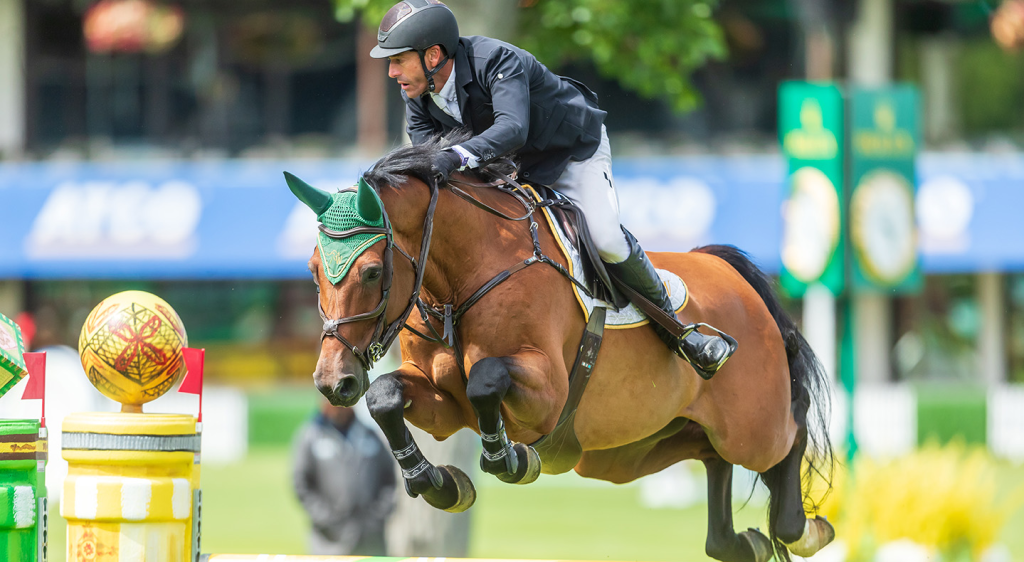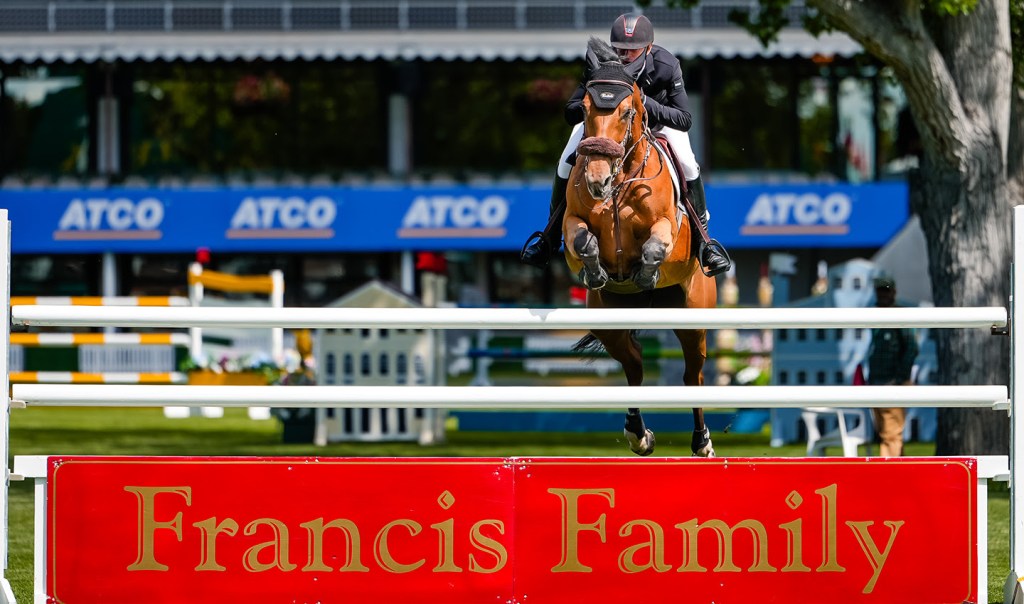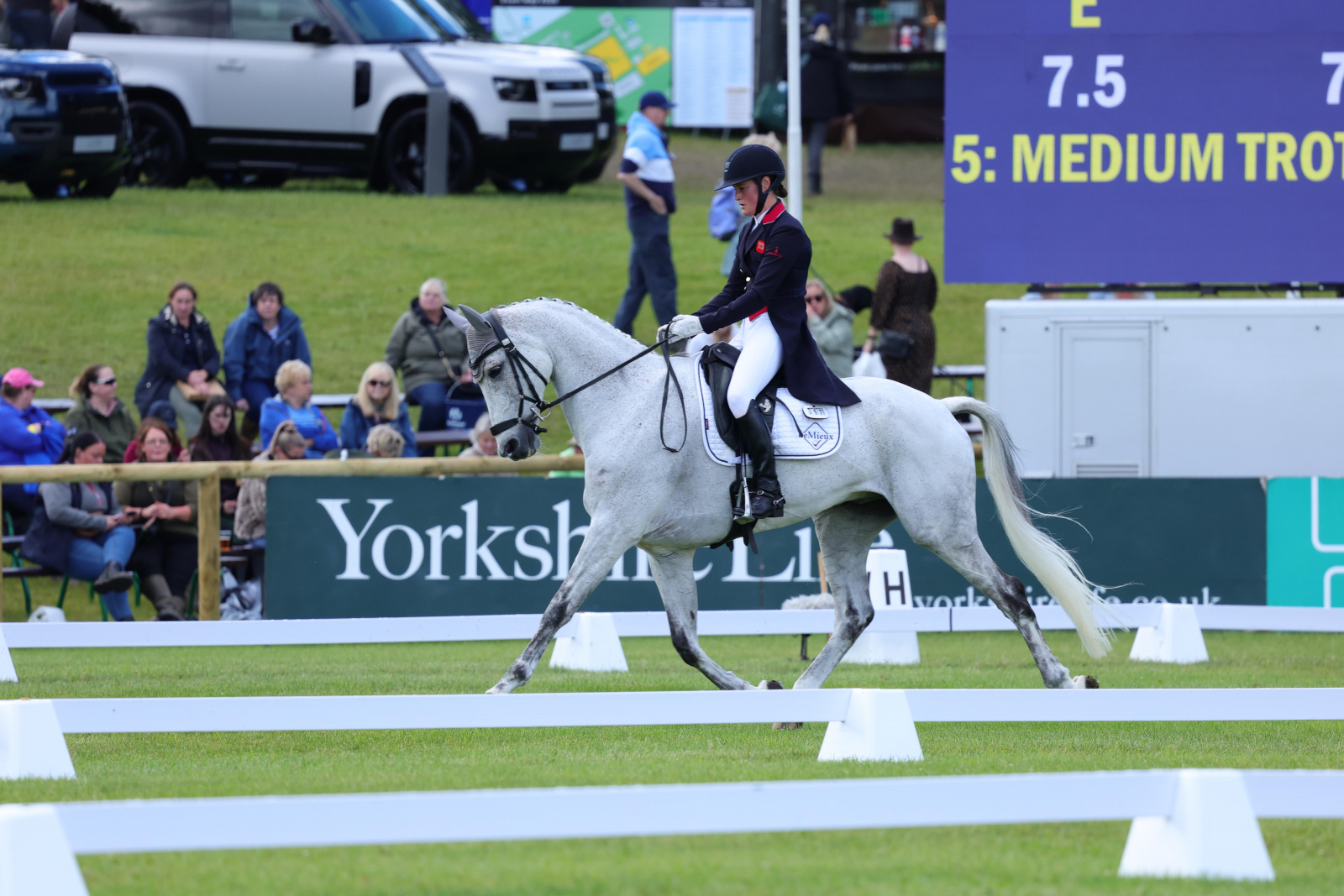



We all know the photo.
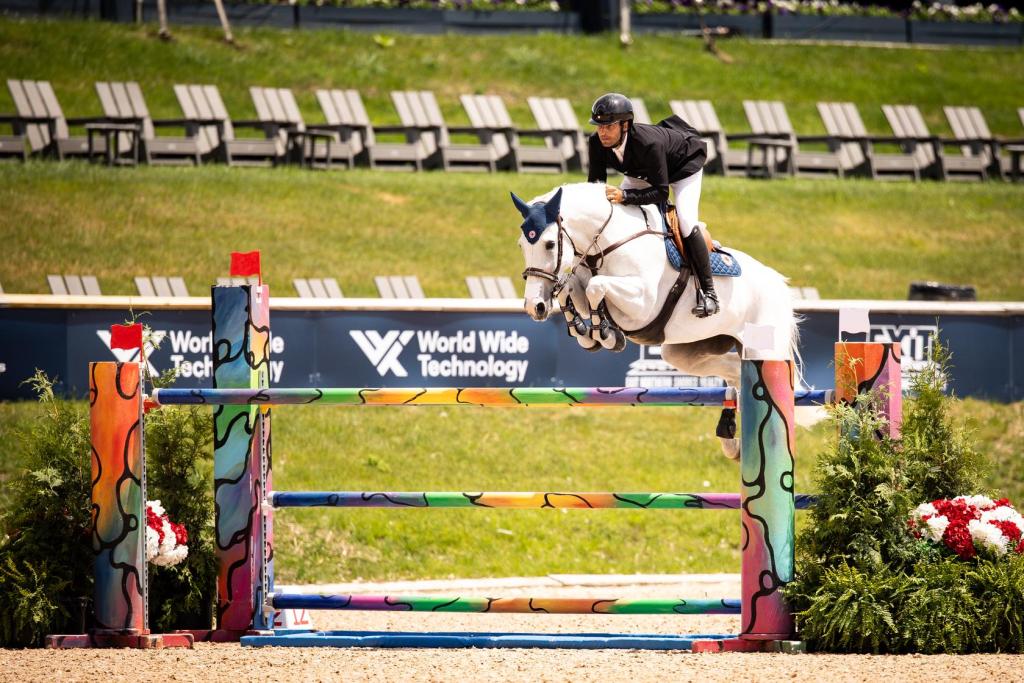
Maybe it’s the big, breath-stealing one: a horse galloping over something enormous and solid, knees tucked, ears pricked, rider folded neatly above. Maybe it’s the dressage shot: grace and polish and an Olympic backdrop. Maybe it’s the one after the finish, when the rider drops the reins, throws their arms around the horse’s neck, and the emotion is palpable.
For years, equestrian sport has leaned hard on those pictures to tell the story: a true glimpse at “moments in time” showing the athleticism, the elegance, the scale, the partnership involved with our sports.
But a new study suggests horse people are no longer just asking whether an image is beautiful — they are asking whether or not the horse looks okay. Healthy. Happy. Unafraid. Treated well.
The study, “Framing Welfare: How Enthusiasts Read Partnership and Positive Practice in Olympic Equestrian Images,” took a closer look at how horse enthusiasts interpret photographs from the Paris 2024 Olympic equestrian events. An accredited photographer captured over 4,700 images across dressage, show jumping, eventing, training sessions, and behind-the-scenes areas at Versailles. From those, researchers used a structured selection and review process to choose 30 images for an online survey. 514 respondents ranked the images, chose favorites, and explained what made an image feel positive — or not.
The biggest takeaway is simple, but important: respondents were not looking at Olympic equestrian photos as neutral sports photography. They were reading them as ethical evidence. A photo was not just a photo. It was a statement about the horse’s comfort, the rider’s fairness, the sport’s priorities, and — whether we like it or not — how all of this looks to the outside world.
The images that landed best were not necessarily the most technically dramatic; they were the ones that showed what the study describes as horse-first partnership: visible praise, care, empathy, gratitude, and a sense that the horse was being treated as a partner rather than a means to an end with legs.
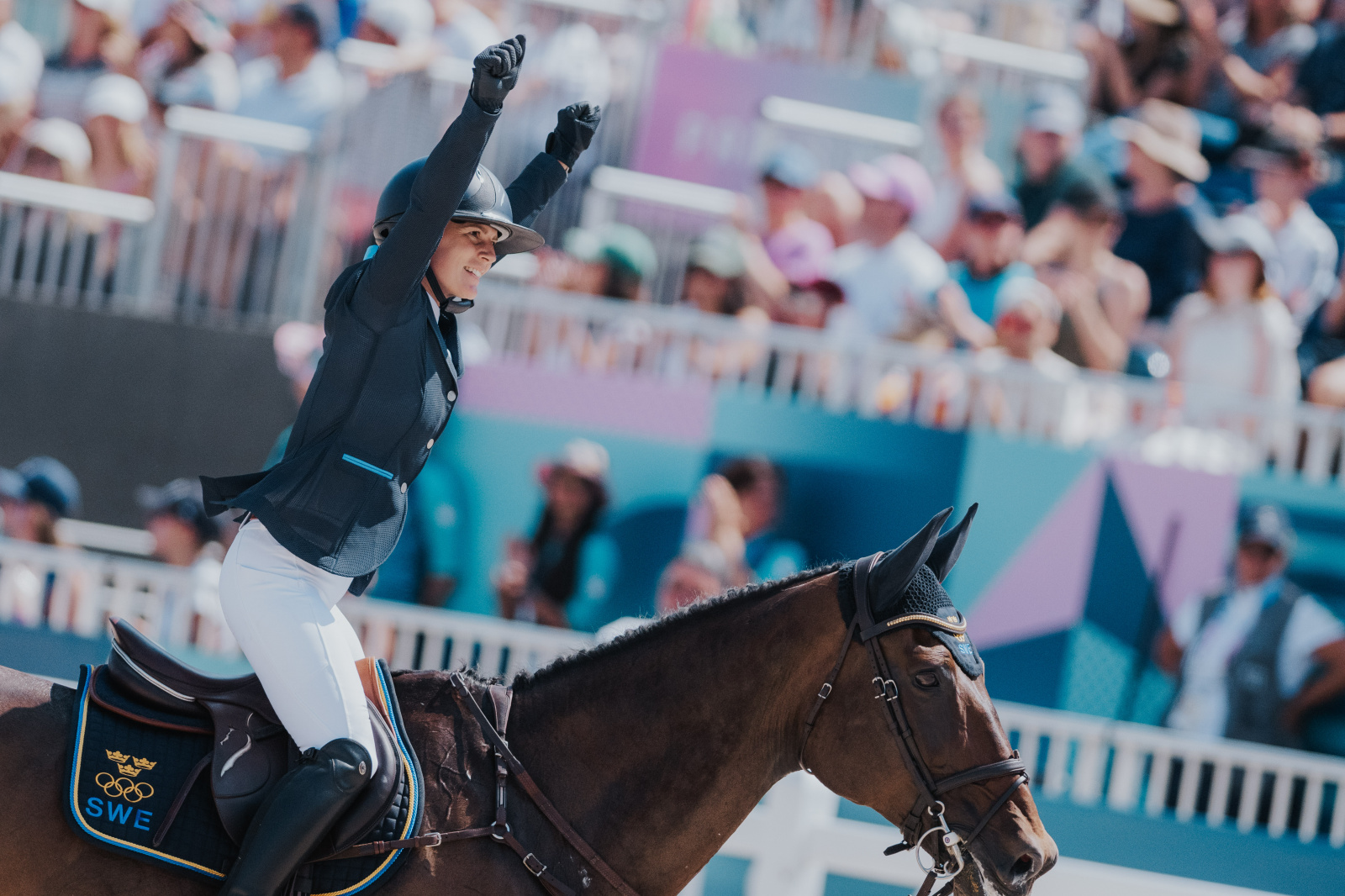
Frida Andersen and Box Leo compete at the Paris Olympics in 2024. Photo by Tilly Berendt.
Respondents also paid close attention to the horse’s expression and body language. Ears, eyes, mouth, posture, tension, fatigue, softness — all of these were part of the read. A horse who looked relaxed, willing, and confident could make an image feel deeply positive. A horse who looked tight, worried, restricted, tired, or resistant could shift the entire feeling of the photo, even if the athletic moment itself was impressive.
Rider fairness was another major filter. Soft hands, good balance, a stable position, an allowing release, and a sense of harmony all helped an image. Heavy contact, poor position, spur pressure, or a rider who appeared to be interfering with the horse all worked against it.
And the participants also noticed the tack, quick to point out nosebands, flashes, double bridles, strong bits, martingales, foam, spurs, and anything else that at the minimum gave the look of being restrictive or otherwise uncomfortable. In some cases, concerns about equipment could override the appeal of an otherwise powerful image. The horse industry may disagree on plenty, but apparently we are united in our ability to zoom in on a noseband faster than some horses peace out when you fall off.
The study also found that each discipline came with its own set of expectations.
In dressage, participants focused heavily on biomechanics: self-carriage, poll position, engagement, tension through the body, and whether horses appeared behind the vertical. Dressage drew some of the strongest systemic concern, with respondents questioning whether modern competitive standards reward the right picture — or whether some of the images reflected deeper issues around training, judging, and presentation.
In show jumping, respondents were more willing to accept effort and intensity, as long as the horse still appeared willing and the rider looked fair. A big jump could be celebrated, and scope and power were appreciated, but participants still wanted to see release, balance, confidence, and ideally a moment of thanks after the job was done.
In eventing, especially on cross country, respondents recognized that risk, speed, terrain, and effort are part of the sport’s DNA. They appreciated bravery, athleticism, impressive water jumps, and the kind of bold imagery that make eventing look like eventing. But they were also highly alert to fatigue, strong equipment, awkward moments, and anything that might make a non-horse person wonder why on earth we are all cheering for this.
That outside-world lens is one of the most important parts of the study. Respondents were not only asking, “What do I see as a horse person?” They were also asking, “What would this look like to someone who doesn’t already love this sport?”

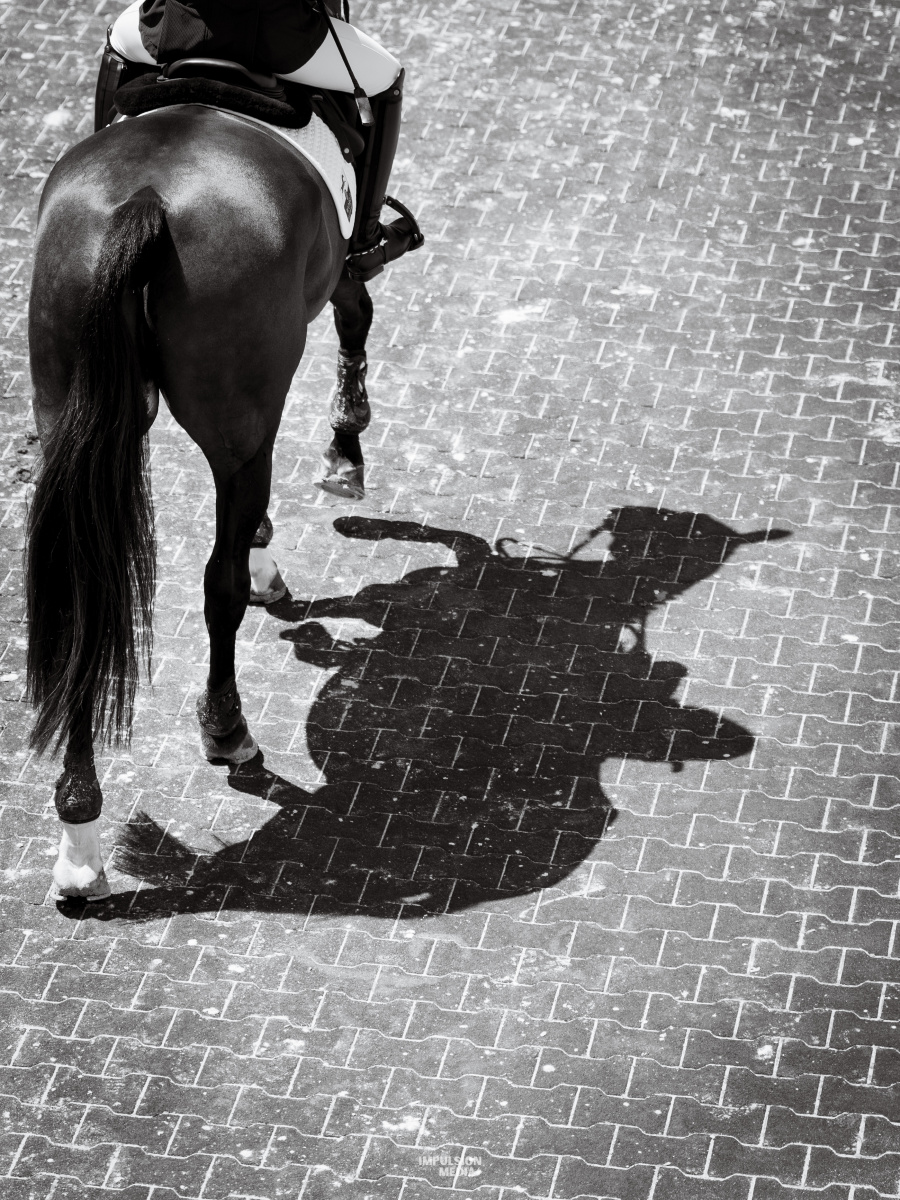
Photo by Haley Boothe / Impulsion Media.
That matters because equestrian sport is operating under increasing welfare scrutiny. The study places these image reactions within the larger conversation around social license to operate, or, as another way to think of it, the public’s informal permission for horse sport to continue. In that context, every photo has a job. It can make deposits into the bank of trust, or it can make withdrawals to the point of overdraft.
Perhaps the most telling finding is that respondents did not want to write off uncomfortable images as isolated “bad apple” moments. Instead, many pointed to bigger systems: judging standards, equipment norms, training culture, breeding trends, commercialization, and what elite sport chooses to reward.
That, in my opinion, is the part worth really considering.
I don’t believe the answer is to stop showing elite sport. It is not to pretend horses never exert themselves, never make an expression, never have a split-second moment that looks less than perfect. Still photography is imperfect — we’ve all heard the “moment in time” argument that’s often turned into justification — and the study acknowledges that. And it IS true: a single frame can never tell the whole story.
However, patterns DO tell stories. And according to this study, the images that best serve equestrian sport are not simply the ones that show power, height, or drama. They are the ones that show athleticism alongside relaxation, ambition balanced with empathy, performance married with partnership.
For photographers, editors, riders, federations, and anyone else choosing which image becomes the public face of the sport, the takeaway is pretty clear: the “best” photo is not always the biggest photo. And at the end of the day, it’s not so much about the singular moments we put forward on the biggest stage. It’s about the patterns, the training, the things that are rewarded and celebrated. I do think it’s worth a look at the systems, not only the moments.
To view the full synopsis of this study, which was put on by researchers from Hartpury University, EQuerry / Co, Department of Educational Studies, Karlstad University / The Swedish National Equestrian School of Excellence, Ridskolan Strömsholm, Sweden and Purdue University, click here.